Resin Bound vs. Resin Bonded Driveways: What's the Difference?
Across Rochdale, homeowners are increasingly investing in resin driveways as a practical and attractive alternative to traditional paving materials. Whether it's a family home in Norden, a modern property in Milnrow, or a period house in Littleborough, resin surfaces are becoming a popular choice thanks to their durability, kerb appeal, and relatively low maintenance requirements.
However, many people don't realise that there are actually two different types of resin driveway available: resin boundand resin bonded. While the names are similar, the installation methods, drainage performance, appearance, and long-term benefits differ significantly.
Understanding these differences can help Rochdale homeowners choose the most suitable driveway for their property and budget.
What Is a Resin Bound Driveway?
Resin bound surfacing is widely considered the premium resin option.
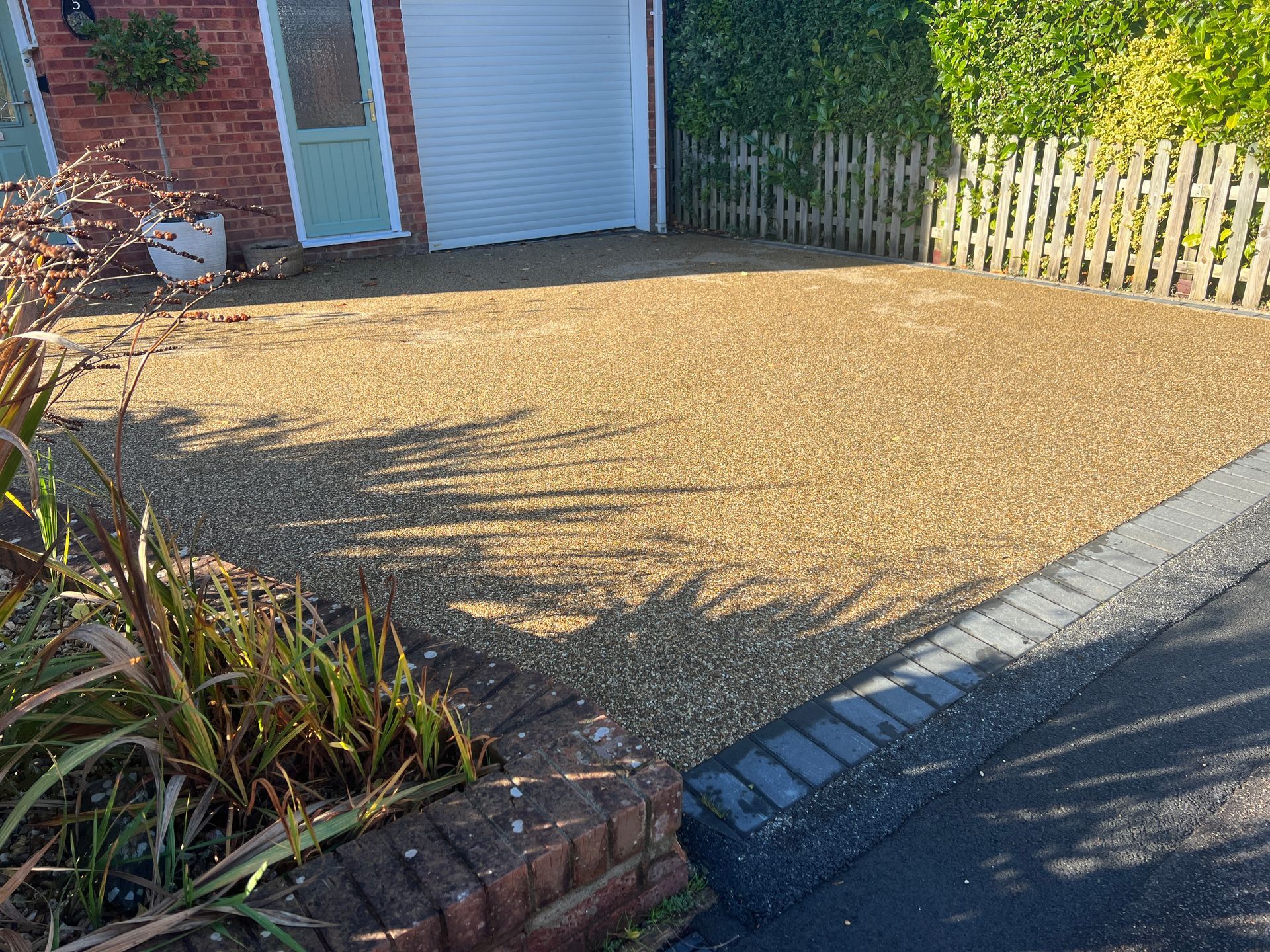
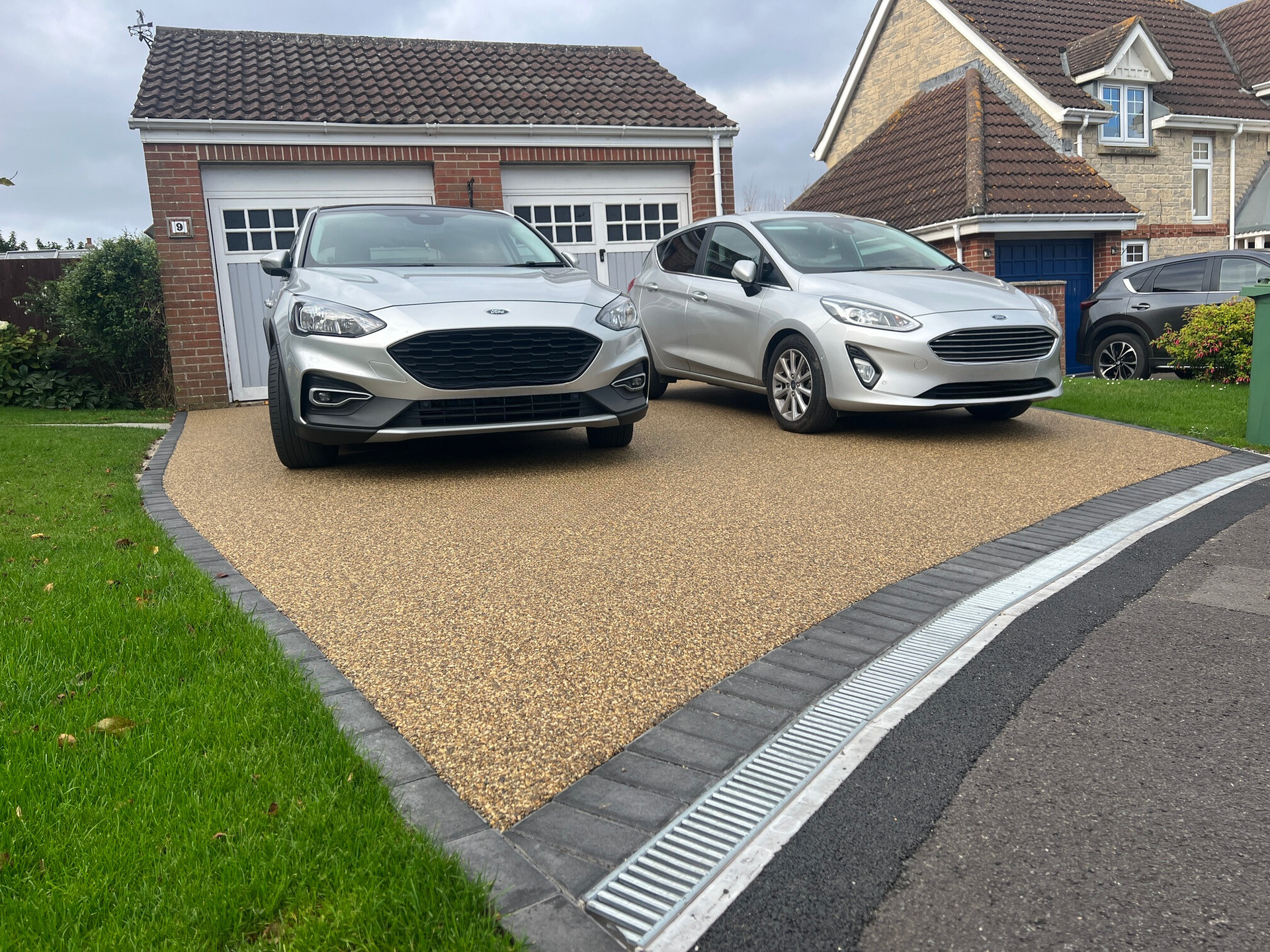
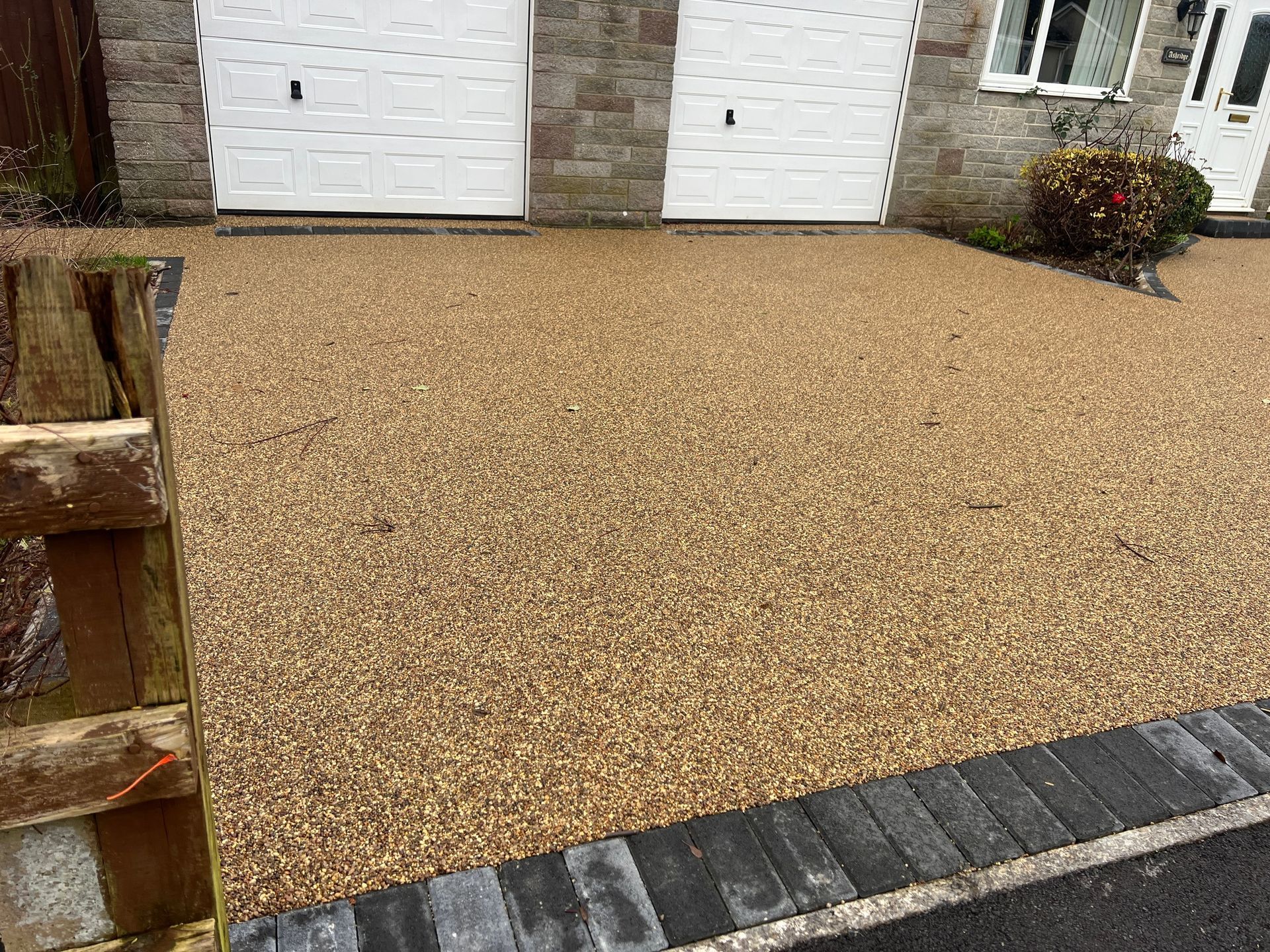
The process involves thoroughly mixing decorative stone aggregates with a specialist resin before the material is laid onto the prepared base. Because the stones are coated before installation, the finished surface appears smooth, seamless, and highly durable.
One of the biggest advantages is permeability. Small gaps between the stones allow rainwater to drain naturally through the surface and into the ground below.
Benefits of resin bound driveways include:
- Excellent drainage performance
- Smooth, modern finish
- Reduced puddling after rainfall
- Low maintenance requirements
- Weed resistance
- Lifespan of up to 25 years with proper care
For homeowners in areas such as Wardle, Littleborough, and Milnrow, where heavy rainfall is common, this drainage capability can be particularly beneficial.
What Is a Resin Bonded
Driveway?
Resin bonded systems are installed differently.
Instead of mixing the stones into the resin, a layer of resin is first applied to the driveway surface. Decorative aggregate is then scattered over the top while the resin remains wet.
This creates a textured finish that resembles traditional gravel but without the loose stones moving around underfoot or beneath vehicle tyres.
Benefits include:
- Traditional appearance
- Excellent grip and slip resistance
- Lower installation costs
- Decorative stone finish
- Suitable for a range of property styles
However, unlike resin bound surfaces, resin bonded driveways are generally non-permeable. Because the aggregate sits on top of the resin rather than throughout it, water cannot drain through as efficiently.
Which Option Is Best for Rochdale Homes?
For many Rochdale homeowners, resin bound driveways are often the preferred choice due to the area's wet climate and increasing demand for sustainable drainage solutions.
Resin bonded surfaces can still be an excellent option where a more textured, traditional appearance is desired or where installation budgets are tighter.
The best choice ultimately depends on the property's location, drainage requirements, and aesthetic preferences.
Conclusion
Although resin bound and resin bonded driveways may look similar initially, they offer very different benefits. Resin bound surfaces provide superior drainage, a smoother finish, and excellent longevity, while resin bonded driveways offer a more traditional appearance and lower upfront costs.
For homeowners across Rochdale, taking the time to understand the differences can help ensure the right investment is made. Whether you're upgrading a driveway in Norden, Littleborough, Milnrow, or Castleton, choosing the right resin system can improve both the appearance and practicality of your property for years to come.
You might also like
Longevity Resin Driveways